You are reading the wrong number on the pump.
The octane figure is displayed in numerals a foot high, and for most cars AAA measured it buying nothing. The figure that did change the engine is not printed on the forecourt at all, is not a number you can compare between brands at the roadside, and costs no extra to get right.
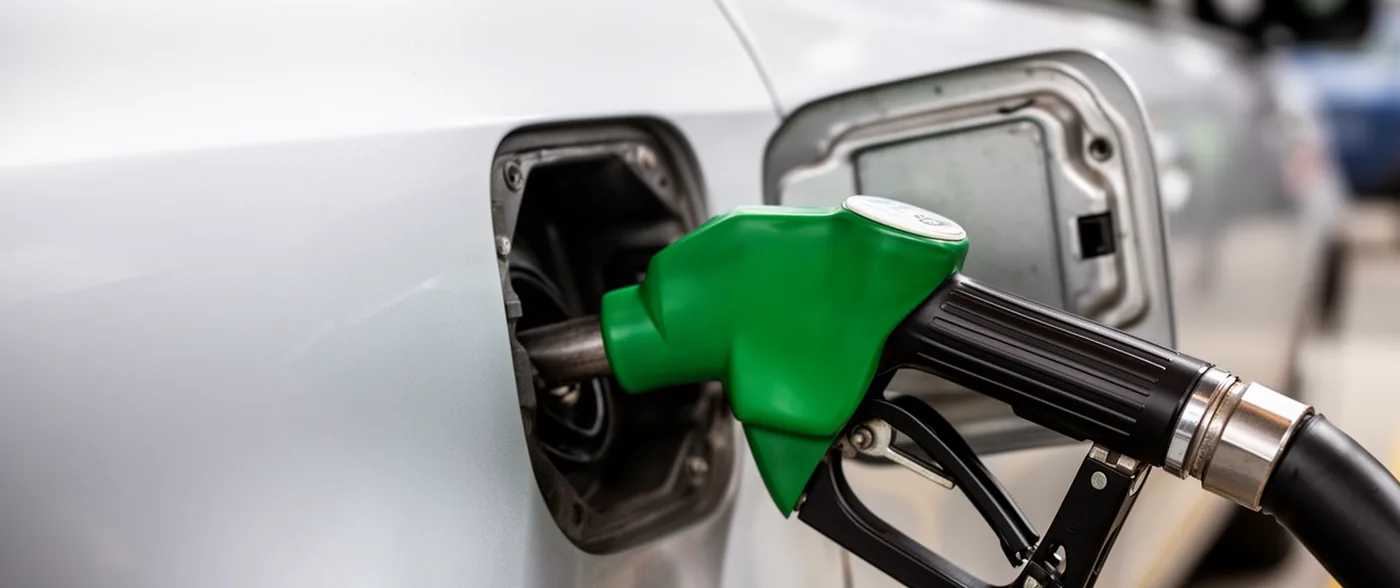
What the octane number bought: nothing
AAA ran premium against regular in vehicles designed for regular and measured three things: horsepower, fuel economy and emissions. It reports no significant improvement in any of them. An engine built for regular cannot use the higher octane rating, so there is nothing for the extra money to do.
AAA puts what that costs American drivers at $2.1 billion a year spent on premium in cars that do not need it. That figure is theirs, and it is the only number on this page measured in dollars rather than milligrams.
Requires and recommends are different words
Check your fuel filler flap and your manual before applying any of this. “Premium required” and “premium recommended” are different instructions, and AAA’s finding covers the second, not the first.
- Regular required or recommended — this is the case the testing covers. Premium measured no gain.
- Premium recommended but not required — AAA states you may generally use regular, with small losses in power and fuel economy. The engine protects itself by retarding ignition timing.
- Premium required — use premium. The higher octane is part of how that engine was designed to run, typically because it is turbocharged or highly compressed, and this page is not telling you otherwise.
The number that is not on the pump
The same organisation ran a different test, and this one found a difference so large it is hard to look at. Using ASTM D6201 — a standard intake-valve deposit test the laboratory says it performs hundreds of times a year for fuel companies and engine makers — it compared fuels meeting the TOP TIER detergent standard against brands outside the programme, over the equivalent of 4,000 miles.
Scale runs to 660.6 mg, the highest measured value here.
use it AAA, Proprietary research into the effectiveness of fuel additive standards, July 2016. Independent laboratory testing to ASTM D6201, a standard intake-valve deposit test the lab states it runs hundreds of times a year for fuel companies and engine makers. Gasolines meeting the TOP TIER detergent standard were compared against brands outside the programme over the equivalent of 4,000 miles of simulated driving, and a separate inquiry asked whether switching fuels reduces deposits already present in an engine.
34.1 mg against 660.6. AAA states it as 19 times fewer deposits; our arithmetic on their two figures gives 19.4×, which is the same finding reported to one more decimal. Put the other way round, the TOP TIER fuel left 5.2 per cent of what the other one left.
TOP TIER is a detergent-additive standard backed by a group of carmakers, and it is not the same thing as octane. A regular-grade TOP TIER fuel and a premium-grade non-TOP TIER fuel are, on this measurement, not close — and only one of the two is advertised on the sign you can see from the road.
It also cleans what is already there
AAA asked a third question: can deposits an engine already has be reduced by switching fuel? Their key finding is that in most cases carbon deposits can be reduced or removed from critical engine components by switching to a TOP TIER gasoline. AAA states that as a finding rather than a figure, and this page leaves it there.
This paragraph carried a percentage range until 9 August 2026. It was attributed to a publication this page does not cite, so nothing here let you check it. Set out under corrections.
What to do, which is free
- Find out what your car actually asks for. It is written on the fuel filler flap and in the manual, in one of the three forms above. Most people have never read it.
- Check whether the station you use is on the TOP TIER list. The programme publishes its participating brands, and it is the only part of this that is a yes-or-no you can verify. Many large chains are on it and some are not; the price sign will not tell you.
- Then buy the cheapest grade your car asks for, at a brand that is on the list. That is the whole recommendation, and it is usually cheaper than what you were doing.
Why this page sells you nothing
There is no product link on this page, and that is a result rather than an oversight. The bottle of injector cleaner sold to remove intake deposits is sold to do the job AAA measured the fuel itself doing. Recommending one here would mean recommending against the evidence we just printed.
It also fits what the rest of this site keeps finding: the decision that moves the measurement is usually not the one with something to sell attached to it. Choosing the right pump is free. So is reading your manual's oil interval, and so is taking the empty roof rack off.
use it AAA, Proprietary research into the effectiveness of fuel additive standards, July 2016. Independent laboratory testing to ASTM D6201, a standard intake-valve deposit test the lab states it runs hundreds of times a year for fuel companies and engine makers. Gasolines meeting the TOP TIER detergent standard were compared against brands outside the programme over the equivalent of 4,000 miles of simulated driving, and a separate inquiry asked whether switching fuels reduces deposits already present in an engine.
use it AAA, AAA Premium Fuel Research, September 2016. Laboratory testing of premium against regular gasoline in vehicles designed to run on regular, measuring horsepower, fuel economy and emissions. AAA reports no significant improvement in any of the three. The finding covers vehicles that require regular and those where premium is recommended but not required; it does NOT cover vehicles whose manufacturer requires premium, where the higher octane is part of how the engine is designed to run.
not measured Neither study is recent, and neither ranks brands: TOP TIER is a standard a fuel either meets or does not, and AAA tested fuels grouped by that standard rather than by name. Nobody has published what the deposit difference costs in fuel economy or in repair bills over a car's life, which is the figure that would let you price the decision instead of merely making it.