Worked out, not guessed at.
Most people meet a car problem before they meet a product. Those searches are answered almost entirely by service chains, whose interest is an appointment, and by forum threads that contradict each other — and the answers are often wrong in the direction that costs you something. Diagnosis has real numbers behind it: legal thresholds, voltages, gas laws. We show the arithmetic and then say what to do.
-
Fuel
You are reading the wrong number on the pump.
Premium bought no horsepower, no economy and no emissions gain in cars designed for regular. The figure that did matter is not displayed anywhere: 34.1 mg of valve deposits against 660.6.
34.1 mg vs 660.6
-
Headlights
A fifth of the light you paid for.
Eleven-year-old lenses measured 22% of a new headlight. Restoration triples that — and produces more glare than DOT criteria allow, which is not on the box.
22% of new
-
Brake fluid
Old DOT 4 boils lower than new DOT 3.
Federal law sets a boiling point for every grade, fresh and after moisture. Absorbing water costs about a third of it — so fresh DOT 3 beats wet DOT 4 by 50 °C.
About a third, every grade
-
Visibility
Worn wipers leave half the windshield smeared.
Measured in one pass: the worn set cleared 53.1% of the glass, new ones 89 to 95.1%. Replacing them is worth about six times more than choosing between them.
53.1% vs 95.1%
-
Battery
It died in July. You found out in January.
Batteries last 58 months in the far north and under 41 in the far south — heat does the damage, cold only reveals it. Plus how to read the date sticker, where the letter I is skipped.
58 vs under 41 months
-
Cabin air
Turning the fan up makes the filter worse.
Peer-reviewed measurement of what you breathe: efficiency falls as fan speed rises, and cheap aftermarket filters cut nitrogen dioxide by nothing while OEM carbon filters cut it 64–67%.
64–67% vs none
-
Brakes
The shop says your brakes are at 4. Four what?
Millimetres of friction material — and 3 mm of every pad is unusable, so half the thickness is about a third of the life. At 4 mm you have 11 to 14 per cent left.
3 mm you can never use
-
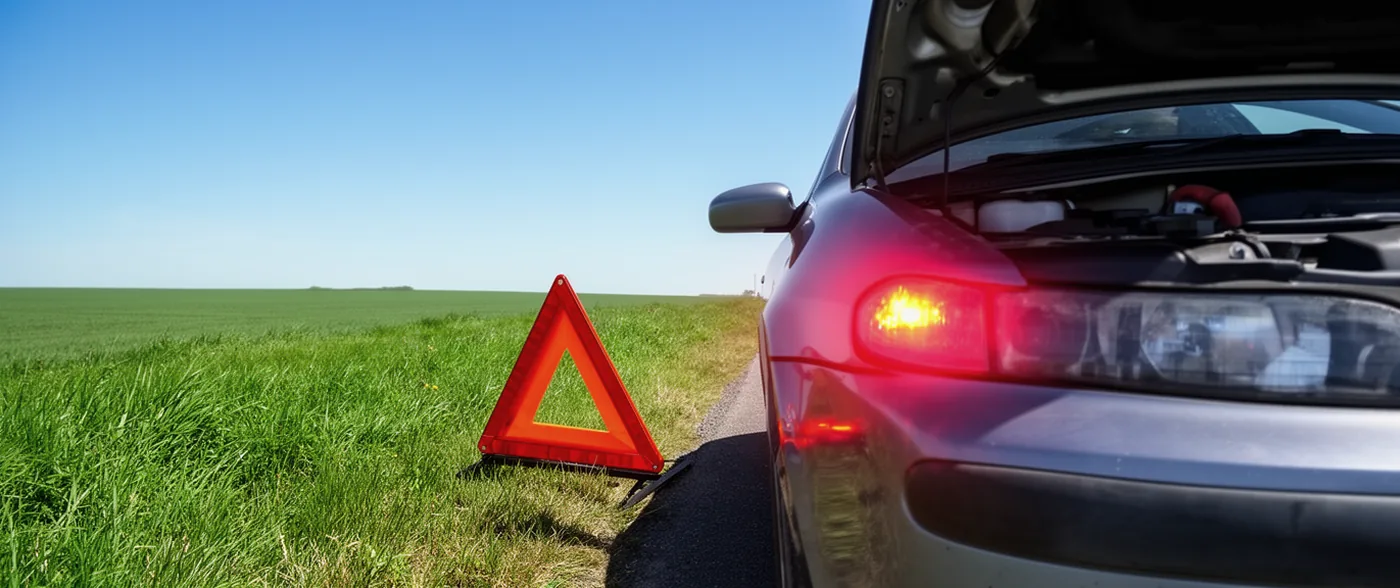
Won't start
It clicks. What the clicking tells you.
Rapid clicking and a single click mean different things — but a battery can rest at a healthy 12.6 V and still collapse below 9.6 V under the starter. Resting voltage does not diagnose it.
9.6 V under crank
-
Tyre pressure
The light came on this morning. It is not just the cold.
Cold costs about 1 psi per 10 °F. The lamp is required by federal standard to light at 25 per cent below placard — about 9 psi. Temperature alone cannot do that.
~94 °F would be needed
What this section recommends
One product per page, each chosen on the measurement that page reports. Amazon holds the live price; we do not copy prices onto the site.
 Check price
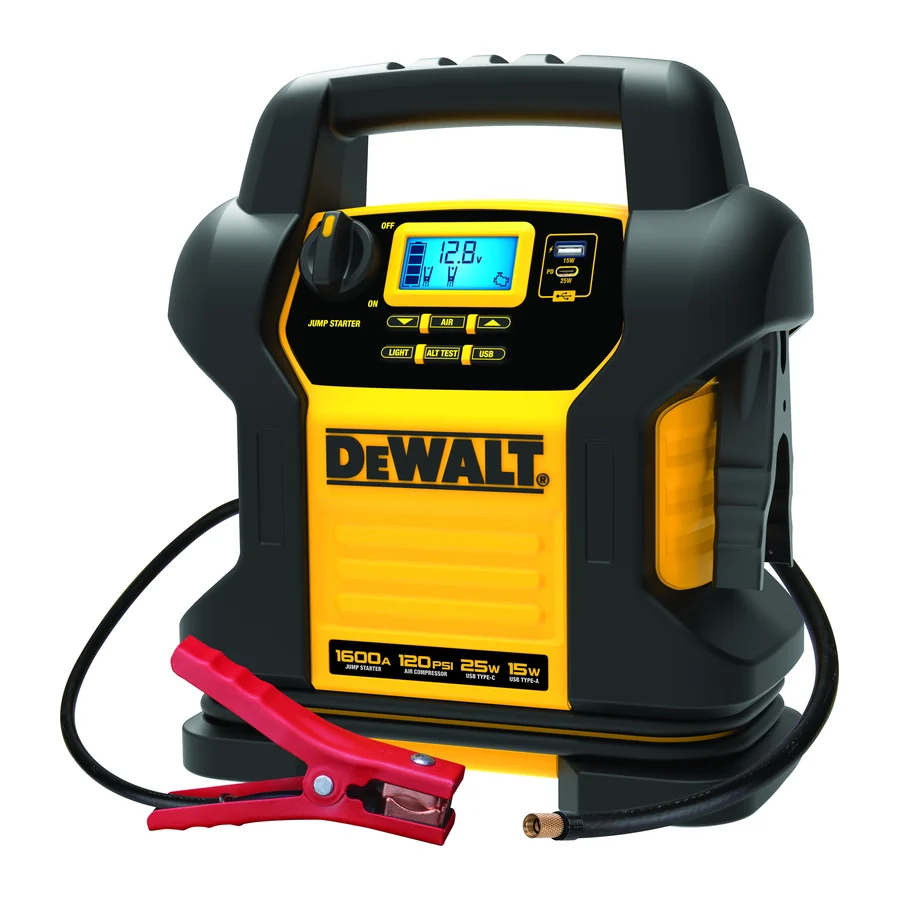
DeWalt DXAEJ14
700 amps sustained for thirty seconds, not a twenty-millisecond peak
from Car won't start and clicks: what the clicking actually tells you
- Check price
DITKOK 9-piece brake pad gauge, 2–12 mm
Carries the 3 mm blade, the only one that decides anything
 Check price
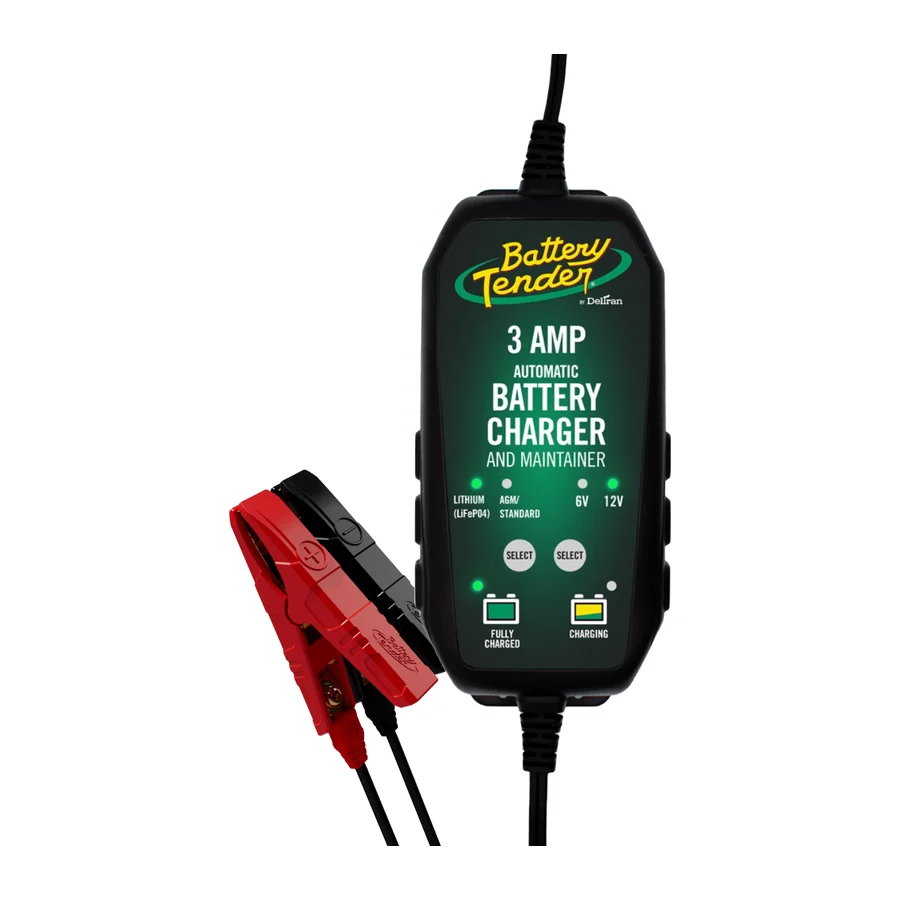
Battery Tender 3 A switchable charger and maintainer
Three amps, not the 750 mA of the powersports units
Product photographs: Battery Tender, DeWalt.